

125—
Are you at a loss to explain your failed weight loss?
This article is essentially about:
How any ole Jo Blow can confuse you into thinking that they are a health expert just because they sell (make, or even just eat!) whole-foods — and how they can spout anything they like to you in order to sell you their products or services.
And how, ironically enough, because they’re not actually health experts, not only do they get away with this (as they don’t have a code of conduct they have to adhere to), but they are also held up as health gurus because they tell you what you want to hear: that you can become healthy (and good looking!) — by eating pretty, fancy, tasty stuff.
In this example, while it may look like I’m picking on the bulk whole-foods retailer in this article, I have nothing against them fundamentally (I actually shop there from time-to-time to acquire certain ‘specialty items’). I just believe that they should stick to what they know best, and stop littering New Zealand with their plastic marketing messages 😇
I recently received an email from a New Zealand bulk whole-foods retailer that contained a recipe advertised as a ‘Seasonal Pantry to Plate Recipe’: Creamy Cacao & Cashew Oat Porridge with Caramelised Dates.
My first Grr: This porridge.
There is absolutely NOTHING seasonal about this porridge 🤦🏼♀️ And, oddly enough, in the body of their email, they also refer to these ingredients as being “Autumn Pantry Staples” — which makes no blimin’ sense what-so-ever?!
So, just to clarify here, there is nothing staple about this recipe either — except for the oats (that are imported from Canada!🇨🇦🍁) A staple is a basic, inexpensive, everyday food that forms a significant part of a culture’s diet. Clearly cacao, cashews, and dates are not a primary food source for the average Kiwi.1
My second Grr: This sort of thing.
It confuses the bejesus out of people. Because, for some bizarre reason, the public think that just because someone sells whole-foods (or runs a whole-foods cafe) that they’re health experts. So they don’t think to query what they are being told and sold.
My third Grrr: This sort of thing!
Whole-foods retailers (or whole-foods cafe owners) confuse the bejesus out of people. Because, for some bizarre reason, these retailers think that they are health experts. So they don’t think to query what they are saying and selling.🤦🏼♀️
Over the last couple of decades of me studying and then practicing Naturopathy, I’ve seen a lot of this occur (the generating, and spreading of health related misinformation), which has caused much confusion for the clients I work with. However, when I finally get fed-up with it, and I (an actual health professional!) dare challenge this thinking (their misleading advertising!), unfortunately I’m generally the one who gets ‘called out for calling these people out’. The real problem being that some people actually want to believe their bollocks because their recipes sound yummy and the image looks pretty 😏
Note: Oh, I’m just thinking about some of the articles I’ve written on Kombucha, Green Smoothies, Collagen supplements etc etc etc!
Eating seasonally means:
To consume food (particularly fruits and vegetables), that are in season.
In this recipe there are obviously no veggies and because they don’t sell fresh produce ( yet!), there is no seasonal fruit; only one dried fruit.
Note: Drying fruit obviously gives it a longer shelf life – which defeats the purpose of saying seasonal.
Seasonal Eating means:
The food has been harvested and is readily available at its peak — flavour, freshness and nutritional value. It encourages choosing local produce that is naturally grown and ripe during that particular season. And, because it’s readily available it should come at lower prices compared to out-of-season alternatives.
In this recipe, if we use nuts (cashews and almonds) as an example, while they were indeed harvested in Autumn… it wasn’t ours!
Let’s further examine how seasonal (fresh and local) this porridge is, shall we?
FYI: I’ve presented this information to you as the ingredient followed by its country of origin below.
Canada
India/Vietnam
America
Papua New Guinea
Palestine
New Zealand!
While this is a seasoning… it’s hardly seasonal.
Sri Lanka
Obviously not NZ 🌴🥥🍍🥭🌺
New Zealand!
But again, not seasonal. White Clover flowers bloom, and the honey is harvested during the summer months. (Yes, I realise I’m just being picky with a few general flavour enhancers, but it adds to the dramatic effect, don’t you think?! 😋)
Canada (obvs 🥴)
With all of this importing of foodstuffs from around the world it’s no wonder this retailer is clearly confused about what grows in this country — and when!
Unfortunately, when this bulk whole-foods retailer was ‘squirrel-ing’ together their ‘Autumn collection’, it probably went something like:
Oats
‘cause you eat porridge when it gets cold.
Cacao
‘cause it’s brown… and leaves turn brown in Autumn.
Dates
’cause they’re brown also… and dry… and leaves turn brown… and get dry in Autumn! 👍🏼
Cashews
‘cause it rhymes with achoos… and it’s getting colder… and then you sneeze 🤧
I would have accepted “Melting Pot” Porridge or “Pudding” Porridge.

On their website they state that they “strive to source as much as we can locally”. However, if you search their online store, and type in “local” it only comes up with two products (and these two products also contain imported ingredients). This says to me: that either we (NZ) suck or that they do. Maybe they’re not striving hard enough.
And, if you search: “New Zealand” on their website there are very few results (out of a possible 187 ‘food’ options) that come up as being grown or sourced from NZ. Those being:
1) Honey
2) Kumara crisps
3) Macadamias
4) Pearl barley (hulled)
5) Popcorn kernels
6) Pumpkin seeds
7) Quinoa (puffed)
8) Salt
9) Semolina Flour
10) Soybeans
11) Split green peas, and apparently …
12) Decadent Dates?!?
(Medjool dates covered in cacao, and other imported ingredients?! This is clearly a typo, and hopefully the only one on their website 🙏🏻)
Note: There are actually many food items that come up for NZ simply because the food item is either roasted, activated, ground, packed, or made here from imported ingredients.
It’s misleading to say: seasonal, local, or staple when referring to a business that primarily sells imported food.

Another long standing whole-foods supplier says on their website, “we source locally wherever possible and have been working hard over many years to build up the supply of New Zealand made products however many of our much loved products cannot be grown sustainably in New Zealand.” (More on this point below.)
However, in the same breath they also say –
“Our concern is for the planet as a whole. That’s why we source our ingredients from where they are grown and made best, using local and renewable resources and in a way that works with nature and not against it.
Take our quinoa, for example, a natural South American speciality that thousands of people’s livelihoods depend on. It’s a crop that grows in harmony with its local Andean ecosystem. Even 5000 years ago in the Peruvian mountain tops, quinoa managed to grow when not much else did. Unlike non-organic, conventional crops, which demand more resources and chemical supplies, native crops adapt much better to their local environment.”
It’s ‘crazy talk’ to say: you source locally when you’re a business who sells food – and you’re actually referring to an area in an overseas country 🤦🏼♀️
There are actually very few ‘dried ingredients’ that come commercially from the Land-Of-The-Long-White-Cloud.
Our country is currently focused on more… well, moist food-stuffs:
Meat, seafood, dairy, eggs, produce, water, wine, and processed produce (jam, squeeze pouches, fruit syrup)
However, we can grow certain nuts here:
Almonds, chestnuts, hazelnuts, macadamias, pecans, pine nuts, and walnuts.
And, we can grow certain grains here:
Wheat, rye, barley, oats, maize, quinoa, and amaranth.
But, you could be excused for not knowing this☝️
Check out most whole-foods suppliers websites in New Zealand:
Search for: ‘New Zealand’ and see what results it nets.
Basically, you’d never know that we did grow some of the above foodstuffs here.
Check out supermarket websites in New Zealand:
Search for: ‘New Zealand’ and see what results it nets.
You’ll sadly see that we only have a select amount of offerings from this country, and you’ll also find a few WTHs?!?
One of my favourite WTHs is: Twinings New Zealand Breakfast
“We’ve specially created New Zealand’s very own rich and smokey New Zealand Breakfast blend. Discover the taste of malty Assam, the brightness of African teas, and the natural smokiness of Chinese Keemum teas in this truly special brew.”
Wow! They’ve captured our unique Kiwi essence exquisitely, don’t you think…? 😜🤦🏼♀️
Leftfield Innovation Limited — a New Zealand-based group of sustainable food leaders (crop scientists, technologists and business innovators) have said otherwise.
They produced a ‘Specialty Grains & Pulses Report’ in 2019… before we were even concerned with food security, and producing locally (Post-Covid-19 lockdown). According to this report, rather than import certain grains and pulses we could grow them right here in our own ‘backyard’ — and sustainably so! They very much believe it doesn’t have to be animal farming vs plant farming, that both can co-exist together in a mixed farming system, creating more value and diversity from the land.
The research team identified six crops (out of a possible 22) with high potential for New Zealand farmers:
Buckwheat
Chickpeas
Hemp
Oats
Quinoa, and
Soy
More in-depth research is currently in progress!2

These staples (with gluten-free options to boot!) would provide protein, omega 3, minerals, vitamins, antioxidants, and fibre.
This grain and pulse medley would not only be satiating, but also healthy: to balance blood sugar; to manage weight; to aid digestion; to protect the heart; to help the skin, hormones, immune system, and more.
This would also ensure that we were eating in alignment with our NZ climate/environment, and seasons.
The grains and pulses would be consumed alongside other New Zealand grown:
Staples
Barley
Beans (broad, butter, green, navy, runner)
Corn
Nuts (as above)
Seeds (pumpkin, sunflower)
Split green peas, and
Omega-9 oils (avocado, macadamia, olive)
Perishables
Meat, dairy, eggs, and seafood (if you are so inclined)
Fresh produce
And you could add a few carefully selected exotic foodstuffs/speciality items for occasional use:
Grains: millet, and rice
Pulses: lentils, mung beans, and peanuts
Nuts: cashews, and brazil nuts
Seeds: linseed, and sesame seeds
Misc: nutritional yeast flakes, cacao, dates, black pepper, cumin, and smoked paprika.
Note: It’s actually possible to grow all of these exotic foods in NZ (bar black pepper). You could grow your own stash if you were so inclined (obviously depending on where you live in the country).
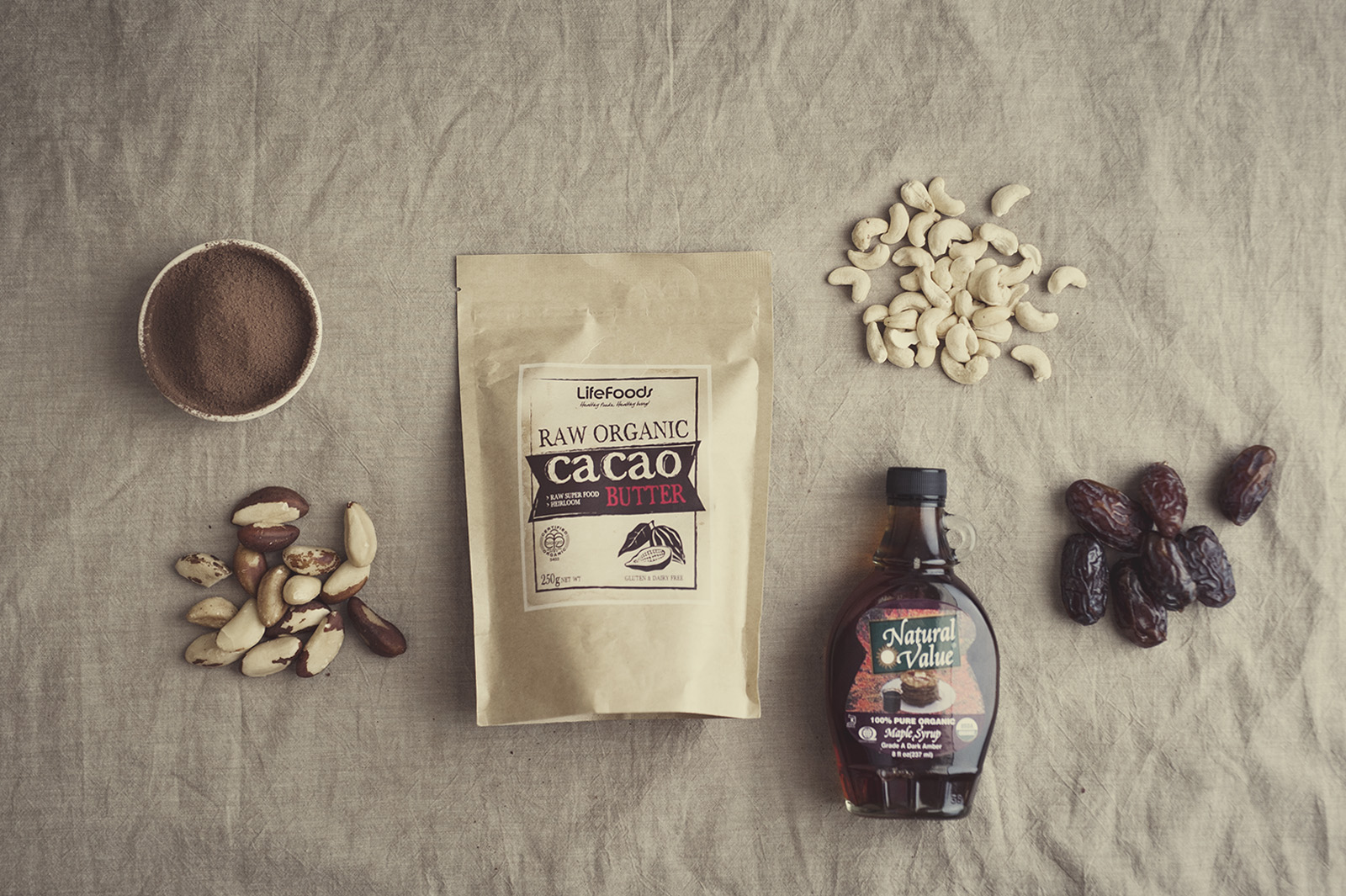
Just to be really clear about what I’m actually saying…
This is a bulk whole-foods retailer — a grocer, if you will.
I actually appreciate their products, and the information they provide on their specialty items (what it is, how to use it, how to store it to ensure its freshness, its country of origin (!!), and some basic nutrition info.)
I just don’t appreciate all the marketing puffery 😣
Lisa Fitzgibbon is a degree qualified (2006), experienced and registered Naturopath & Medical Herbalist. She runs her own private practice – OOMPH in Grey Lynn, Auckland, New Zealand.
Lisa has been involved in the Natural Health industry for 20+ years. She draws on her professional training and experience, as well as her own personal experience to bring you realistic, holistic health advice.
Book online
